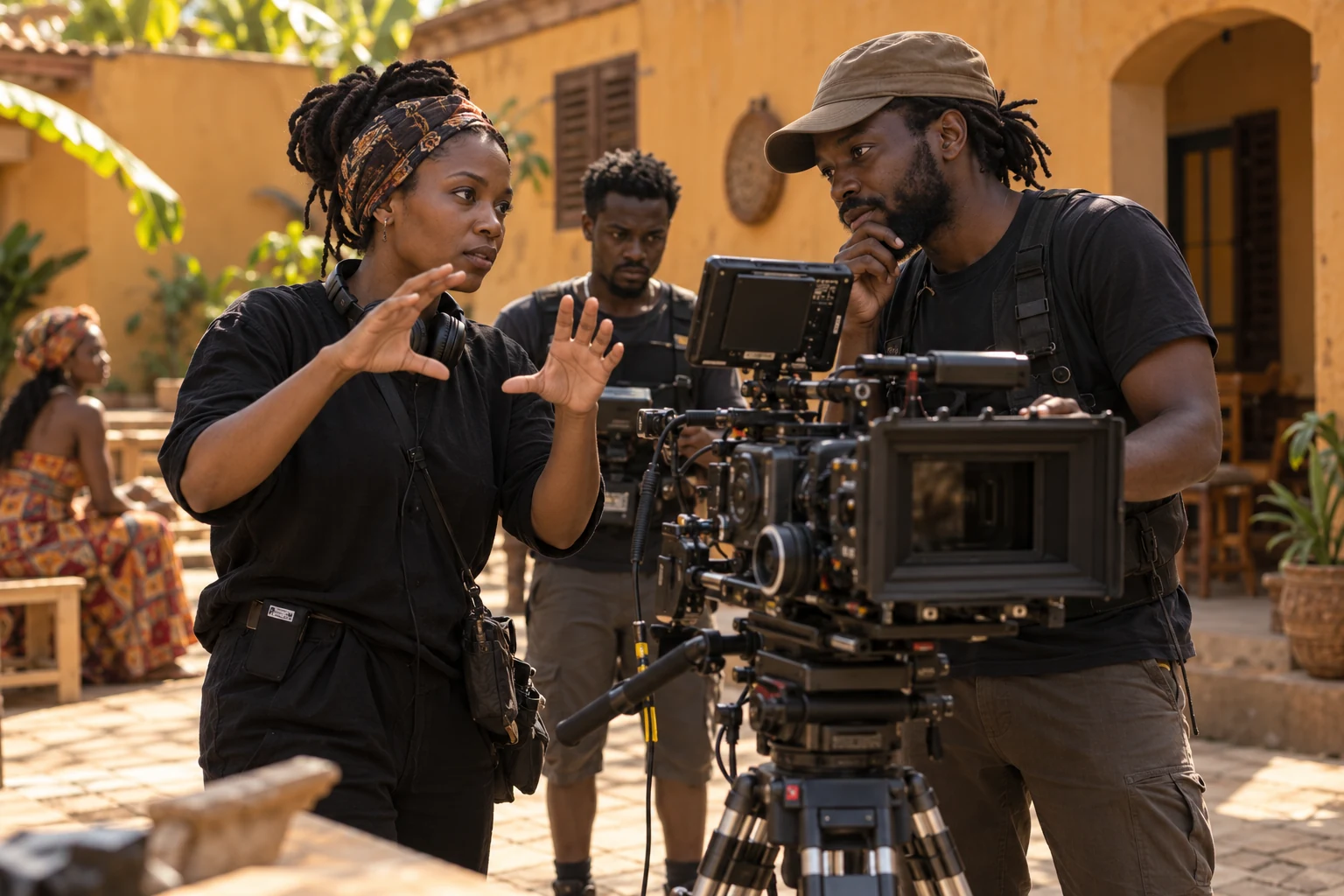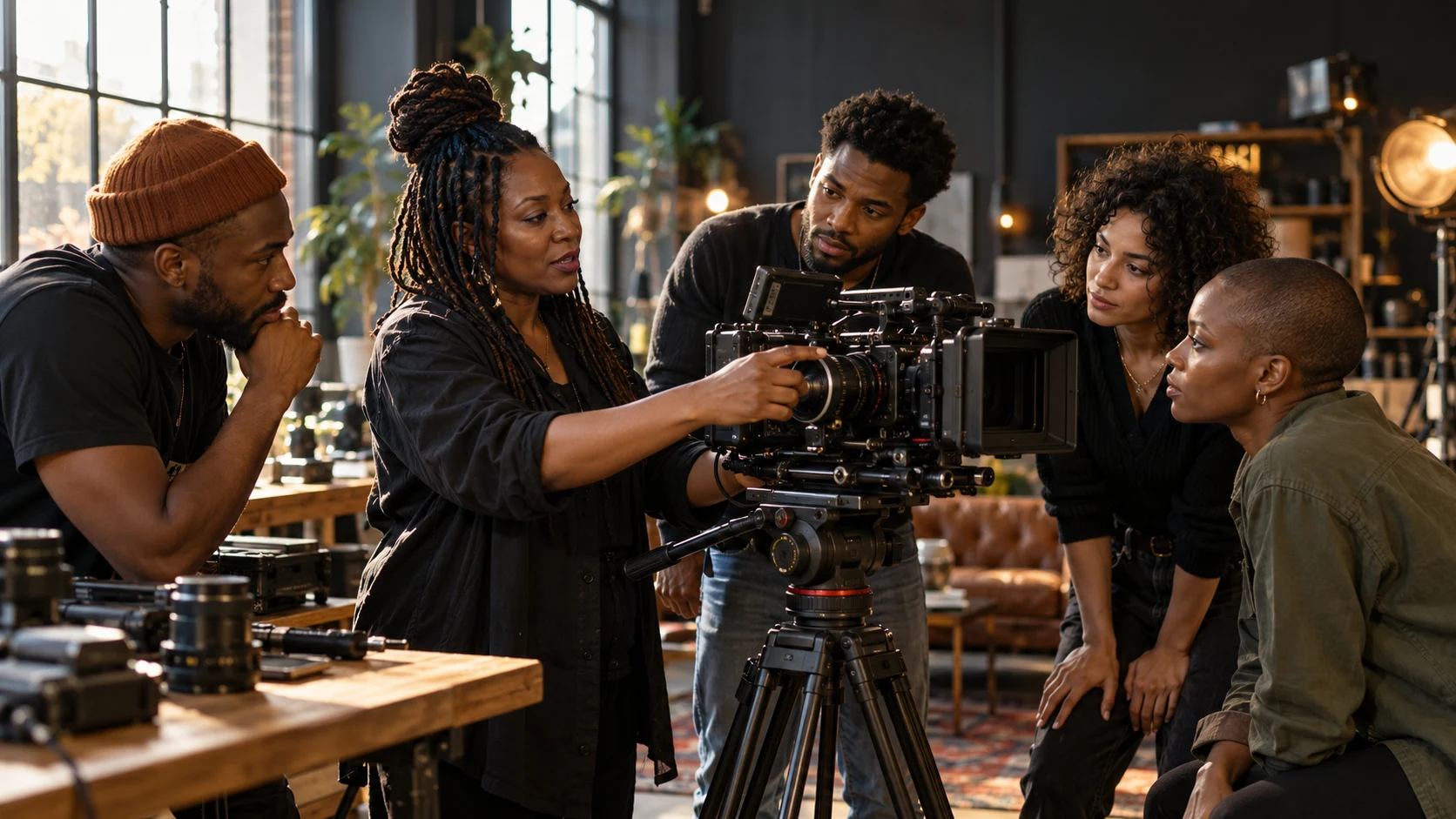
A useful workshop gives participants something they can understand, practise and apply. The equipment matters, but the learning goal should lead the plan.
At RIM, training and workshop conversations begin with the people in the room. An emerging filmmaker exploring visual storytelling needs a different session from a communications team preparing interview-led content. A clear brief helps us develop a suitable proposal.
Agree one achievable outcome
Decide what participants should be able to do by the end. That might be planning a short interview, recording a simple scene, organising an edit or developing a concise story pitch.
A focused outcome makes it easier to choose the activity and decide how much explanation is needed. It also helps avoid packing a session with more topics than participants can meaningfully practise.
Understand the starting point
Ask about participant numbers, previous experience and the equipment available. Check the intended format, location and access requirements before finalising the programme.
These details influence how the session works. A small group with shared equipment may need rotating roles. An online session may work better with preparation sent in advance and an exercise participants can complete with their own tools.
Make practice part of the session
An example can introduce an idea, but participants need time to use it. A short filming exercise could involve choosing a frame, checking the sound and making a deliberate performance or editing decision.
Allow time to review the result. Feedback is more useful when it relates to the agreed goal and identifies a practical next step. The aim is to help participants understand their choices and develop confidence in the process.
Connect the learning to a next project
End with a realistic action participants can take afterwards. A simple planning worksheet, a revised scene brief or an editing exercise can help carry the learning into their own work.
For institutions and programme partners, it is also useful to discuss how the session fits a wider learning journey. A single introduction and a longer practical programme require different preparation, resources and follow-up.
What to include in an enquiry
- The learning goal and the type of content participants want to create.
- Participant numbers and their level of experience.
- Preferred dates, location or online format.
- Available equipment, budget and any access requirements.
RIM can discuss tailored training and workshops with creatives, teams, educational institutions and cultural organisations. Dates, tutors, fees and any certification arrangements are confirmed for the agreed programme; this article does not announce a scheduled course.
To develop a proposal, tell us about your learning brief.
← All news & insights