
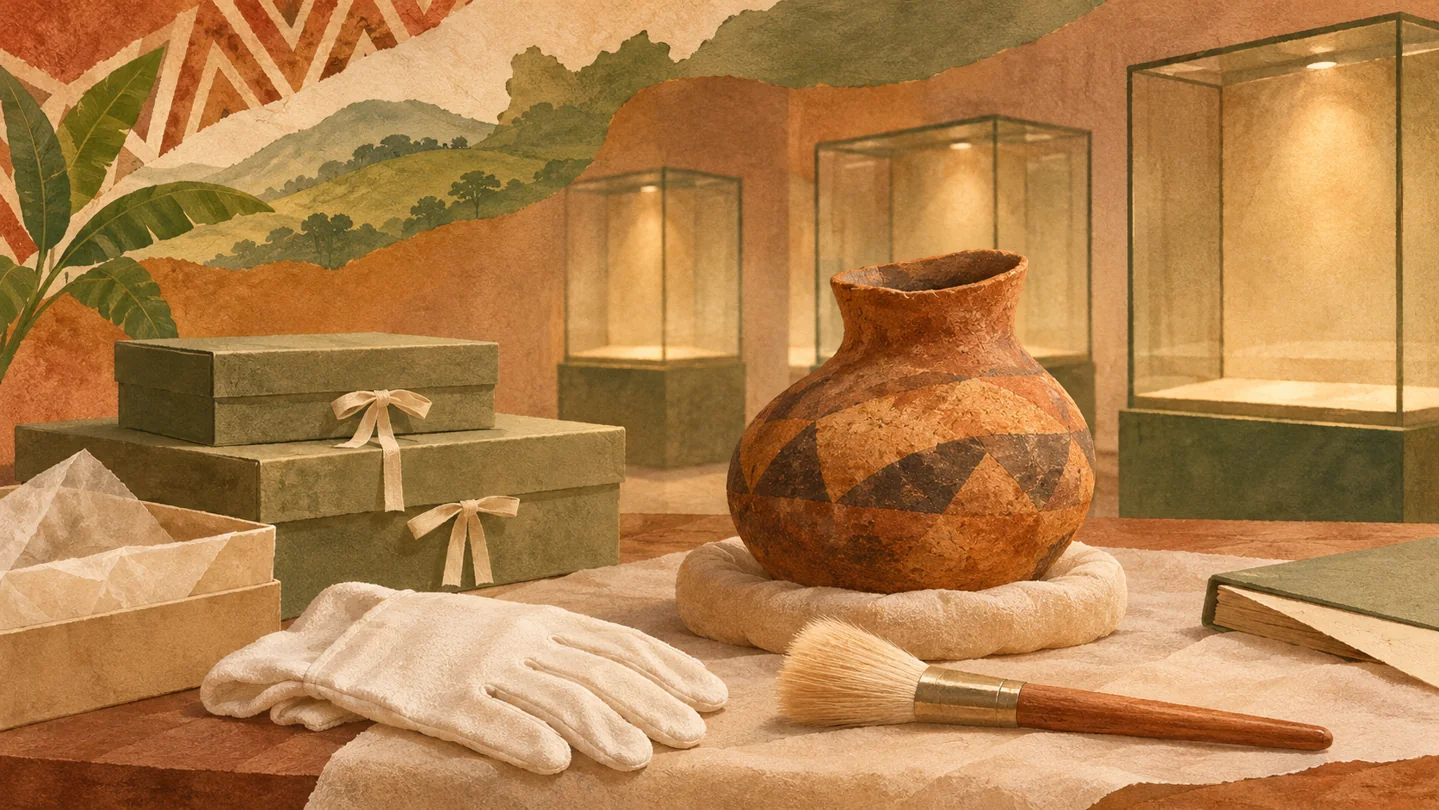
Burundi’s National Museum of Gitega is the focus of a rehabilitation and modernisation programme intended to improve the protection of its collections and the experience of visitors. A UNESCO account published on 3 November 2026 describes the initiative, which was launched with Burundian authorities and heritage fund ALIPH on 22 September.
The distinction between those dates matters. This is a newly published account of an existing project, not evidence that a restored museum opened this week. The announcement offers a useful opportunity to examine what successful cultural rehabilitation should deliver beyond the repair of a building.
The confirmed programme
UNESCO describes work on the existing infrastructure and a redesigned exhibition layout. Its stated aims include better conservation, visitor reception and educational outreach. The agency identifies deterioration of the building as a constraint on the institution’s work and says the project should strengthen its service to young Burundians.
An earlier statement issued by ALIPH identifies UNESCO as implementer, working with the African Heritage School, ICOM Africa and Burundi’s National Commission for UNESCO. It establishes that Gitega belongs to the foundation’s wider heritage-support programme; it is not an unrelated museum proposal announced only this month.
The sources reviewed do not establish a completed reopening date or a measured increase in visitors. Those outcomes should remain open questions. The immediate confirmed development is a rehabilitation programme with identified institutional partners and a published explanation of its intended purpose.
Why the collection needs more than a better facade
The Burundi tourism authority’s description presents Gitega as a museum of ethnographic and archaeological material. It also describes photographic holdings and reserve storage. That background explains why a visitor-facing renovation and the care of objects behind the scenes need to be considered together.
Its undated inventory should not be treated as an independently audited count for November 2026. Nevertheless, the description shows the range of material a national museum is expected to preserve and interpret: objects, images and the relationships between them.
Our assessment is that conservation success should be judged through everyday routines as well as construction milestones. Safe handling, secure storage, usable catalogues and a maintenance budget make it possible to keep a collection available after the contractors leave. A polished display cannot compensate for an object whose provenance or condition has not been properly recorded.
Public access includes understanding
Accessibility is also an editorial task. A display should help visitors understand what an object was used for, whose account supports the interpretation and where knowledge remains incomplete. Translation and clear explanations can open a collection to school groups and people without specialist historical training.
Those are proposed measures of success, not activities we can confirm have already been delivered at Gitega. An education programme needs time, staff and dialogue with teachers. If those needs are omitted from the operating plan, even a carefully restored institution may struggle to turn occasional visits into sustained learning.
For diaspora audiences, a museum can also offer an encounter with histories that circulate only in fragments abroad. Digital access may widen that encounter, but publishing images online should involve decisions about permissions, attribution and culturally sensitive material. Visibility and responsible stewardship belong in the same discussion.
Cultural infrastructure has an operating life
A museum project is sometimes easier to explain through its launch than through its future running costs. This programme should therefore be followed through evidence of conservation work, staff capacity, public opening arrangements and educational use, rather than promotional images alone.
For filmmakers and documentary researchers, the wider lesson is that access to heritage involves relationships with the people responsible for it. A collection is not simply a free source of attractive background images. Research permissions, context and acknowledgement help protect both the institution and the integrity of a film.
RIM’s discussion of African storytelling and international screens raises a related question: who supplies the context when cultural material travels? Gitega’s rehabilitation will be most significant if its collections become both safer and more intelligible to the communities whose histories they carry.
Why this matters
Burundi’s cultural institutions matter to local education and to a diaspora seeking reliable access to national history. The project brings building repair, collections care and interpretation into one conversation. Its success will depend on the institution’s continuing ability to conserve and explain its holdings, not merely on an opening ceremony. Reporting should track those outcomes while avoiding claims that planned work has already been completed.
Sources
- UNESCO: Gitega museum rehabilitation, 3 November 2026
- ALIPH: project funding and partners, foundation statement
- Burundi tourism authority: National Museum of Gitega
Topics: Burundi · Gitega · Museums · Cultural heritage · Education
← All news & insights