
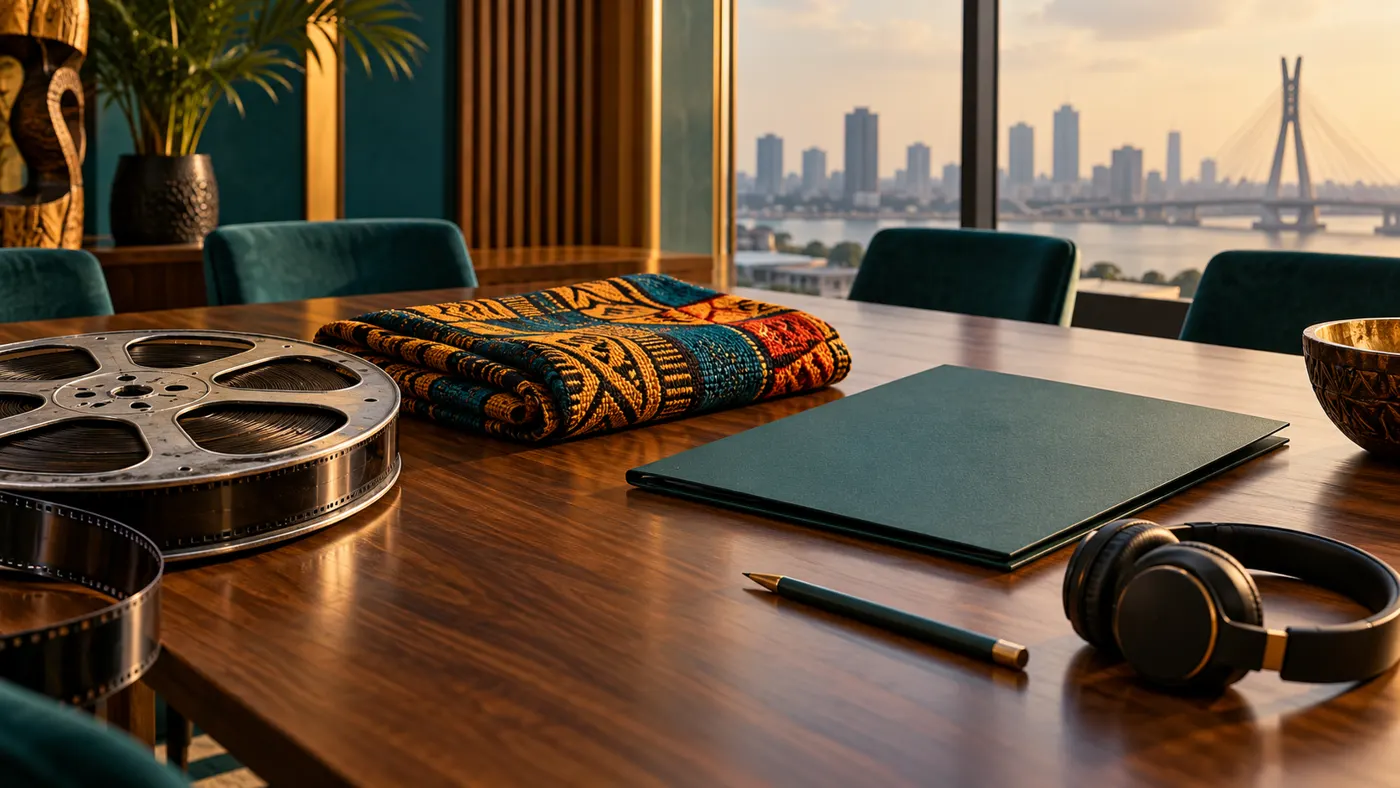
An impressive creative idea can open a conversation. Turning that conversation into a workable project requires a different kind of preparation. With one week to go before CANEX WKND opens in Lagos, that distinction matters for African and diaspora businesses deciding how to use the gathering.
The official event website confirms 5–8 November 2026 at the Wole Soyinka Centre for Culture and Creative Arts. Organised by Afreximbank, the gathering brings creative sectors into the same programme as investors, policymakers and industry professionals.
This is a preview and practical analysis of the announced programme. It does not report deals completed at an event that has not yet begun.
### What is being offered
The organiser lists an exhibition and market, masterclasses, discussions, performances and a Deal Room where creative entrepreneurs can present projects to potential financiers. Film, music, fashion and literature sit alongside other cultural activities.
Nigeria’s trade minister, Jumoke Oduwole, reiterated the November dates in a 28 October government briefing, reported by Punch on 29 October. The renewed invitation places the event within the government’s interest in creative exports.
That policy ambition was also set out in an earlier 6 October government statement. Oduwole identified financing, distribution, intellectual property and international markets as areas where creative businesses need stronger connections. These are government objectives, not independently demonstrated results from the forthcoming gathering.
Music In Africa’s programme report describes the Deal Room as running from 5 to 7 November. Participants should check official access arrangements for individual activities rather than assume general attendance secures an investor meeting.
### Arrive with a question someone can answer
For a filmmaker, “I want to reach the world” is an ambition. “I am seeking a distribution partner for this completed feature in these territories” is a more specific conversation.
A useful preparation exercise is to identify the project’s current stage, what is needed next and what evidence can support that request. A finished film, an early script and an established production-service company may all belong at a creative gathering, but they are not offering the same thing.
The same discipline helps musicians, publishers and designers. A concise introduction can explain the work, its intended audience and the proposed relationship without promising sales that have not happened.
### Separate the meeting from the agreement
These are practical considerations, rather than claims about requirements imposed by CANEX. Before discussing a project in detail, a business can decide which materials are suitable to share and which questions require specialist advice.
A discussion about investment should not be confused with a grant award. An expression of interest in a film is different from an executed distribution agreement. A partner’s willingness to take another meeting is useful progress, but it is not a completed transaction.
Budgets also need to match the proposed activity. Production costs, delivery costs and the expense of reaching an audience belong in the same planning conversation. A project can be creatively persuasive while still needing a clearer route to completion or sale.
### Keep the audience in the business plan
For diaspora participants, the opportunity may be to connect knowledge of one market with creative work rooted in another. That requires listening as well as presenting. A partner may understand local audiences, exhibition conditions or working practices that a visiting business has not considered.
RIM’s account of taking African stories towards international screens offers a related starting point: the route to audiences deserves attention alongside the production itself.
The most useful follow-up after Lagos may be a modest, verifiable next step: an agreed document exchange, a scheduled discussion or a defined review of a project. Those actions can be tracked. The value of the gathering will become clearer through the work that follows it.
Why this matters
African and diaspora creative businesses need opportunities to meet buyers and collaborators, but visibility alone does not establish commercial value. CANEX’s announced programme creates a setting for those conversations across sectors and borders. Preparing a clear request, checking access arrangements and distinguishing interest from an agreement can help smaller enterprises use their time well. The meaningful test will be documented progress after the event, rather than attendance numbers or promotional promises.
Sources
- CANEX WKND: Official 2026 programme and event information
- Punch: Government briefing on CANEX and other decisions, 29 October 2026
- Federal Ministry of Information: CANEX ministerial briefing, 6 October 2026
- Music In Africa: CANEX WKND unveils its 2026 programme
Topics: CANEX WKND 2026 · Lagos · Creative business · African diaspora · Film distribution · Creative economy
← All news & insights