
A regional food competition can tell a story about more than a plate. It can introduce the people whose skills shape a destination’s hospitality and give an audience a reason to look more closely at its everyday creative work.
St. Maarten and St. Martin have named a joint team for the 2026 Taste of the Caribbean competition in Barbados. The St. Maarten Hospitality and Trade Association announced the line-up on 27 October, describing the island’s return to the competition for the first time since 2017.
The professionals selected
The association’s announcement names senior chef Jewel Daal, pastry chef Djaya Coupey, junior chef Jamal Dormoy and bartender Erion Peterson. Renata de Weever, a participant in the 2017 competition, will coach the group.
The selection brings different disciplines into one team rather than presenting culinary skill as a single activity. Preparation, pastry and beverage work require distinct methods, even when they contribute to a shared presentation.
The Daily Herald’s coverage also records the line-up and the planned return. The announcement concerns who will compete; it is not a result, a ranking or an assessment of the team’s chances.
Where the competition fits
The official Taste of the Caribbean website lists 16–19 November 2026 at Wyndham Grand Barbados. It describes an event combining competition with professional learning and supplier relationships under the Caribbean Hotel and Tourism Association.
A CHTA announcement carried by Antigua and Barbuda’s government identifies fifteen participating destinations. That wider field places the St. Maarten/St. Martin announcement within a regional gathering rather than a standalone promotional visit.
Readers interested in attending should consult the organisers’ current programme and registration information. This article does not imply that every competition session is open to the public or that any advertised place remains available.
Preparation is a creative process
SHTA says the team had already begun training at Daal’s TJ Cassava Coal Pot restaurant before the public introduction. It describes work on draft recipes and drinks, including feedback on Peterson’s proposed entries.
That is a more useful preparation detail than assuming a finished competition performance already exists. A recipe or presentation can develop through repeated trials, discussion and adjustment. The public announcement gives only a glimpse of that process.
For audiences who enjoy food storytelling, following the craft can be as engaging as waiting for a medal. How do team members coordinate their different responsibilities? What must be tested before a preparation works consistently? Those questions can make skill visible without requiring a prediction about the eventual judging.
Cultural visibility beyond a result
For African-heritage and Caribbean diaspora audiences, culinary stories offer another route into discussions of place, identity and creative labour. A dish can prompt interest in a community, but it should not be treated as a complete account of everyone who lives there.
The joint team is also a specific example of collaboration across the island’s two sides. Its participation can be reported without turning that collaboration into an unsupported claim about wider political or economic outcomes.
From a media perspective, the strongest story would allow the professionals to explain their choices in their own words. Producers should distinguish that access from a promotional description and agree what can be filmed before recording a working kitchen or a competition preparation.
RIM’s story-focused approach includes looking for the people and decisions behind cultural expression. This team announcement offers a clear example of where such reporting could begin.
The next confirmed milestone is the November event. Until then, the news is the named team, its stated preparation and its planned return to a regional stage where the result remains to be decided.
Why this matters
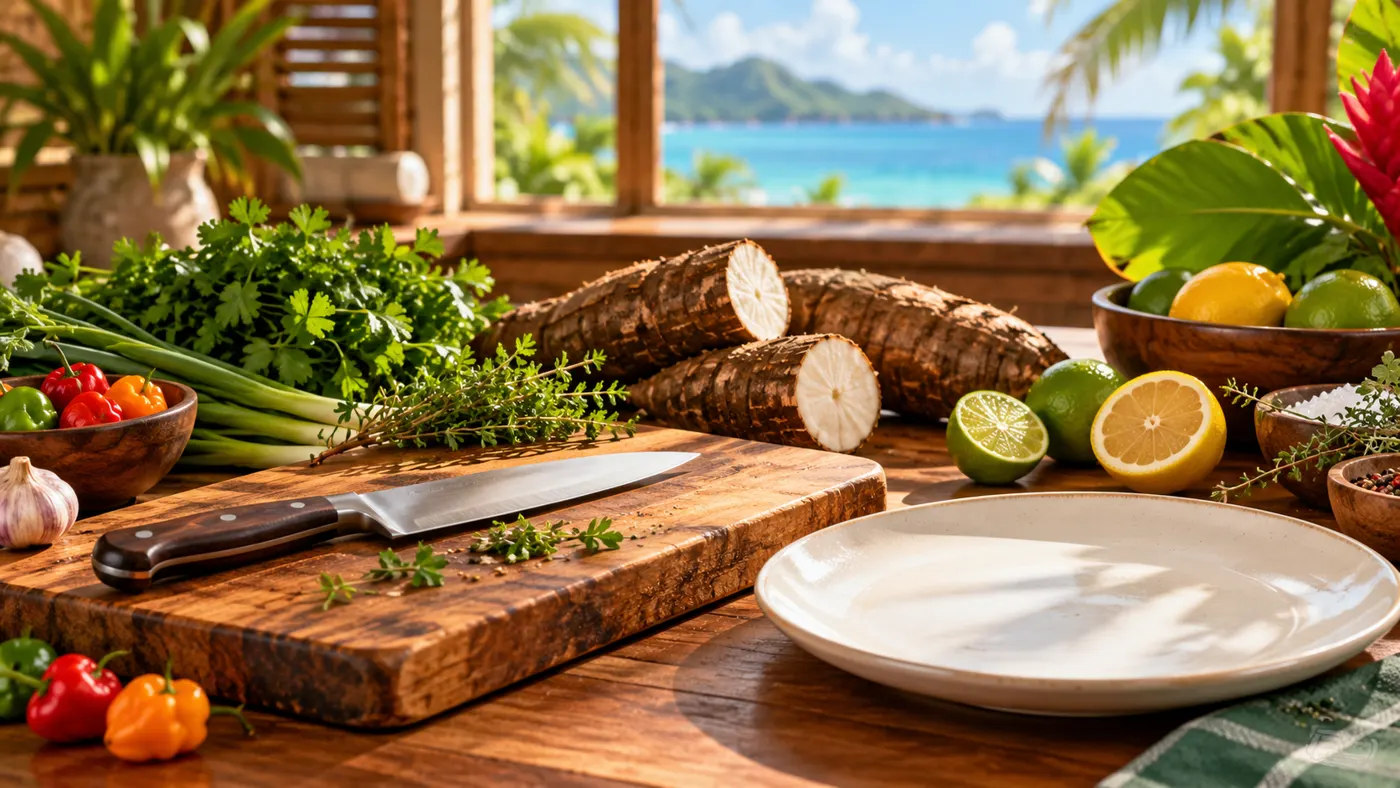
Caribbean creative achievement includes the skilled work behind food, hospitality and destination identity. The newly named joint team gives diaspora audiences specific professionals to follow and connects the island to a wider regional competition. Participation does not establish an award or a tourism outcome. The featured illustration uses generic ingredients and equipment; it does not depict a named chef’s recipe, restaurant or competition entry.
Sources
- SHTA, 27 October 2026 — joint team announcement and preparation
- The Daily Herald, 27 October 2026 — team coverage
- Taste of the Caribbean — official 2026 event dates and format
- Government of Antigua and Barbuda / CHTA, 22 October 2026 — participating destinations
Topics: Caribbean culture · St Maarten · St Martin · Culinary talent · Barbados
← All news & insights