
MOBO is marking its thirtieth anniversary with a November programme that moves between television, museum display and a tribute to its founder, Kanya King. The organisation’s 5 November announcement offers audiences several ways to revisit Black British music history beyond the annual awards ceremony.
The announced programme includes MOBO 30: Iconic Moments on BBC One on 11 November and a temporary display at V&A East Storehouse opening on 18 November. These remain scheduled events as of 6 November; their announcement does not mean either has already opened or aired.
Three ways of making a history public
According to MOBO, DJ Target will present the television programme, revisiting performances and milestones from the awards’ history. Its announcement gives a broadcast time of 22:40 on 11 November. Viewers should check the current broadcaster listing for any scheduling changes.
The museum display will draw on memorabilia from MOBO’s archive and is scheduled to remain at V&A East Storehouse until summer 2027. The Storehouse display is a specific anniversary presentation, distinct from V&A East Museum’s wider exhibition The Music Is Black: A British Story.
PA reporting carried by The Standard also confirms the planned television programme and museum display. It reports that a Paving the Way stone honouring King will be unveiled at her former school in Queen’s Park on 18 November, thirty years after the first awards ceremony.
That combination matters. A broadcast can bring selected moments to a large audience, an exhibition can give visitors time with objects, and a local tribute can connect an institution’s story with the place from which its founder emerged. Each format tells a different part of the history.
The records behind recognition
The anniversary has a broader museum context. The V&A’s published guide to The Music Is Black traces connections between African musical practices and British music across more than a century. It includes the effects of migration and the development of genres such as lovers rock, jungle and grime.
The guide also discusses MOBO trademark registration documents from 1999 and identifies King’s founding of the awards in 1996. These are material records of institution-building: the history includes administration and organisational work alongside performances.
The guide belongs to the wider exhibition and should not be read as an inventory of the forthcoming Storehouse anniversary display. The two presentations are related through their subject matter, but the confirmed scope of the new display comes from the anniversary announcement.
For people working in media, that distinction is a useful reminder that archives need context. A memorable clip tells viewers what appeared on screen. A programme, photograph or business document can help explain how a platform came to exist and who sustained it.
What an anniversary can make possible
RIM’s assessment is that the programme’s strongest opportunity is to connect celebration with understanding. Younger viewers may recognise artists without knowing which platforms helped create visibility for the genres they now hear across mainstream culture.
An archive can help bridge that gap, provided the explanation includes the work around the stage: producing, filming, presenting, promoting and organising. A history told only through its most familiar stars risks leaving the supporting infrastructure difficult to see.
For community organisations, the anniversary may also prompt a practical question about their own records. Are photographs identified, credits preserved and permissions documented? Keeping those details can determine whether material remains useful to future researchers and audiences. That is an editorial observation, not a new requirement announced by MOBO.
RIM’s coverage of Southampton’s BBAM community story explored the importance of cultural access beyond a single occasion. The same question applies to an anniversary: what will remain available after the immediate celebration?
November’s programme creates several entry points into MOBO’s history. Its lasting value will depend on how effectively those encounters help audiences connect recognisable cultural moments with the people, records and institutions behind them.
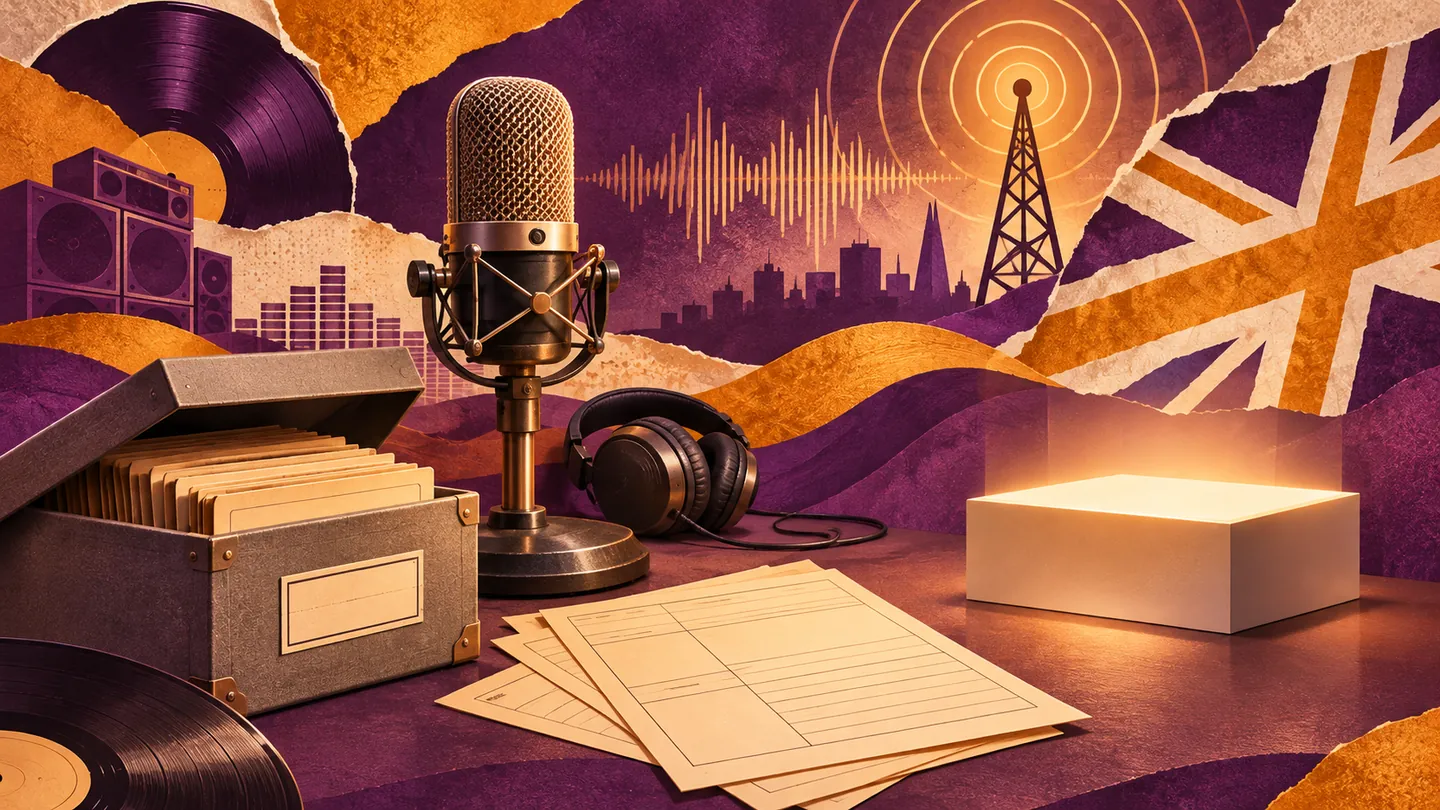
*Illustration: AI-generated conceptual artwork about broadcasting and music archives. It does not show MOBO memorabilia, an actual award or a V&A interior.*
Why this matters
Black British music history includes the institutions that created space for recognition, alongside the artists themselves. MOBO’s anniversary programme offers African and diaspora audiences opportunities to encounter that history through different formats. For media producers and cultural organisations, it also highlights the long-term value of keeping records, preserving credits and explaining context. The announced events provide access points; their educational value will emerge through the material and interpretation audiences actually encounter.
Sources
- MOBO: 30th anniversary programme announcement, 5 November 2026
- The Standard / PA: Kanya King tribute and anniversary programme
- V&A: The Music is Black — large print exhibition guide
Topics: MOBO · Black British culture · Kanya King · V&A East · Music archives
← All news & insights