
An early warning matters when people can act on it. A water system matters when it works for the community that depends on it. Those practical tests sit behind two African climate-adaptation projects detailed by the United Nations Development Programme on 28 October 2026.
UNDP says the Adaptation Fund Board approved nearly US$35 million for the projects at its 23 October meeting. The funding covers a regional initiative in the borderlands of Ethiopia, Kenya and Somalia, alongside a separate project for smallholder farmers in Rwanda.
What has been approved?
The Adaptation Fund’s own account of its board meeting lists US$30 million for a regional project in Ethiopia, Kenya and Somalia, to be implemented by UNDP. It also lists roughly US$5 million for a locally led adaptation project in Rwanda.
Those approvals are part of a wider US$98.8 million package announced by the fund on 23 October. The larger figure should not be presented as the amount allocated to these two projects alone.
UNDP’s more detailed statement describes the regional initiative as a five-year project in the Mandera Triangle. It identifies early-warning coordination, water systems, rangeland restoration and livelihood opportunities among the planned areas of work.
A regional problem crosses borders
The geographical focus is significant. A drought or flood does not follow the administrative boundaries that separate communities. Information and coordinated responses therefore need to be useful across those boundaries as well as within them.
UNDP says the regional project will involve the three governments and an adaptation centre within the Intergovernmental Authority on Development. That is an announced implementation arrangement, not evidence that every planned activity is already under way.
For residents, the meaningful measures will be more specific than a regional funding total. Can a warning reach the people expected to use it? Is the information understandable and timely? Are responsibilities clear when action requires more than one institution?
These are questions for implementation and follow-up reporting. The approval announcement does not yet answer them with measured results.
Rwanda’s smallholder focus
UNDP describes the separate Rwanda initiative as a four-year project involving the agriculture ministry, farmer cooperatives and local authorities. It names Kayonza, Gatsibo and Nyagatare as the target districts.
The project’s stated focus includes local climate information and agricultural advice. Reporting should preserve the distinction between the intended beneficiaries and people who have already received a service. A project target is not a completed impact count.
That distinction also helps communities and diaspora supporters understand what they can reasonably expect from an announcement. A funding decision creates an opportunity to deliver work, while later evidence is needed to show whether the work meets local needs.
Following the money beyond approval
The fund’s board announcement and UNDP’s statement come from the financing and implementing institutions. They provide primary evidence of the decision and the intended activities, rather than an independent evaluation of performance.
A useful next stage of public reporting would follow implementation dates, responsibilities and the evidence used to assess progress. Communities should be able to understand what is planned without having to interpret a large headline number as a promise of an immediate personal benefit.
This is not an open grant call for individual readers or businesses. The announcements do not establish that a new application route or procurement opportunity is available.
For African and diaspora audiences, climate adaptation is connected to the continuity of livelihoods, family relationships and local institutions. RIM’s News & Insights follows that wider development context alongside the creative industries.
The immediate achievement is an approved financing commitment. Whether it becomes lasting resilience will depend on delivery, local participation and verifiable results over the coming years.
Why this matters
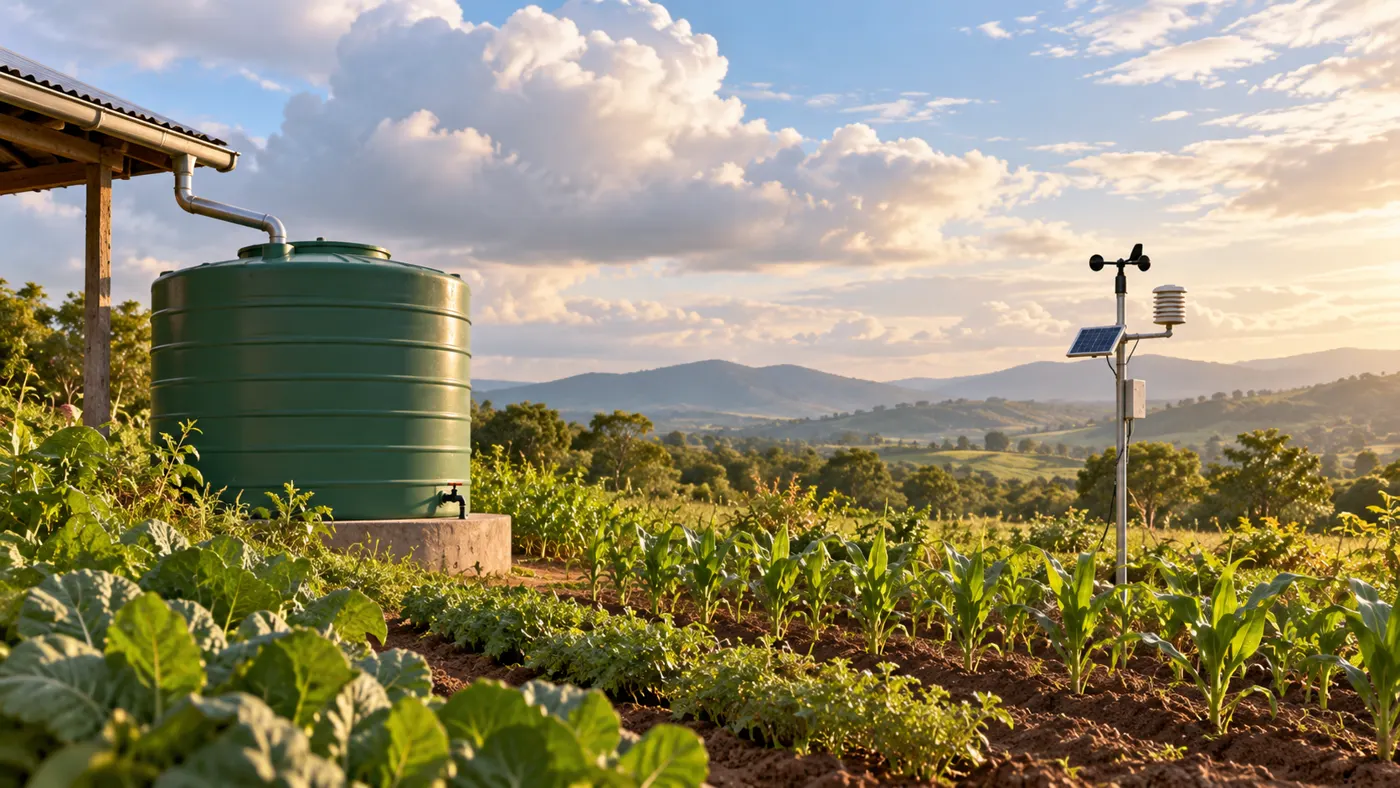
Climate-adaptation decisions affect the conditions in which communities work, learn and maintain their livelihoods. These approvals identify regional and national priorities, but the money should not be confused with completed infrastructure or a guaranteed outcome. The report distinguishes the 23 October approval from UNDP’s 28 October announcement and makes no claim that the projects have already achieved their targets. The image illustrates adaptation concepts, not an actual funded installation.
Sources
- UNDP, 28 October 2026 — Horn of Africa and Rwanda project details
- Adaptation Fund, 23 October 2026 — board approvals and wider funding package
Topics: Climate adaptation · Horn of Africa · Rwanda · Adaptation Fund · Community resilience
← All news & insights