
Beach wrestling is scheduled to make its Youth Olympic debut at Saly Beach West in Senegal on Saturday, 7 November 2026. The competition runs through Sunday as part of Dakar 2026. In its 6 November preview, United World Wrestling said 96 athletes representing 52 National Olympic Committees were expected to compete across eight weight classes.
Agence de Presse Sénégalaise reported that host Senegal has eight entrants, including four girls. The IOC’s venue schedule puts the event in Saly, which also hosted other beach events during the Games. Dakar 2026 is the name of the overall Games, while Saly is the location spectators should use for this competition.
What to watch on the opening day
United World Wrestling lists the men’s 60kg and 80kg categories and the women’s 55kg and 75kg categories for Saturday. The remaining categories, men’s 70kg and 90kg and women’s 45kg and 65kg, are scheduled for Sunday. The federation places the opening group bouts in the morning and the later stages in the afternoon on both days. Its daily event information is the better guide for anyone following a particular bout as the competition progresses.
The entry list offers a sense of the geographical range. Senegal’s Babacar Mbaye appears in the men’s 60kg field alongside entrants including Angola’s David Deus and Côte d’Ivoire’s Namon Coulibaly. The women’s 65kg field, scheduled for Sunday, includes Senegal’s Mery Manga, Egypt’s Malak Abdelgalil and Kenya’s Jemimah Wanjala. These are published entries, with official draws and results providing the competition record once the event gets under way.
Eight categories spread across a weekend create several distinct stories. A strong result in one weight class tells readers how that athlete performed against that field. Following the draws across both days gives a better picture of the range of African participation than waiting for a single aggregate medal total.
How the ring changes the contest
The federation describes bouts of three minutes and a scoring system that rewards bringing an opponent down or pushing them beyond the boundary. A throw that puts an opponent on their back can end the bout with three points. That gives the edge of the ring immediate tactical importance. A competitor moving backwards has less room to reset, and an exchange near the boundary can change the score even if neither athlete completes a large throw.
The sand also gives the viewer a useful way to read movement. Foot placement and balance are visible parts of the contest. Watching how an athlete recovers their position after contact can explain why one exchange leads to a score and another ends in a reset. Those details offer a practical entry point for people coming to the event through Senegal’s wider wrestling culture or seeing the international beach discipline for the first time.
Why the debut deserves attention beyond the medal table
For the host delegation, participation across the programme gives local spectators a reason to follow both days. It also puts girls and boys in the same debut story. How coverage names the entrants, explains their categories and follows their contests will influence whether audiences remember individual performances alongside the milestone.
RIM’s coverage of Arno Yafunga’s judo debut looked at the training and support behind one result. Beach wrestling offers a different opportunity to follow young competitors through the opening stages of an unfamiliar event. Reporting the draw, the scoring and the athletes’ progress gives a reader a fuller account of what it takes to advance.
The two-day format also gives each group of weight classes its own session of finals. That matters when interpreting early coverage. Saturday’s results can settle four categories while leaving Sunday’s four fields yet to compete.
The first bouts will establish the competition record for this debut. At the start of Saturday, the confirmed developments are the schedule, the published entries and the rules. Medal outcomes will follow through the official results as each category finishes.
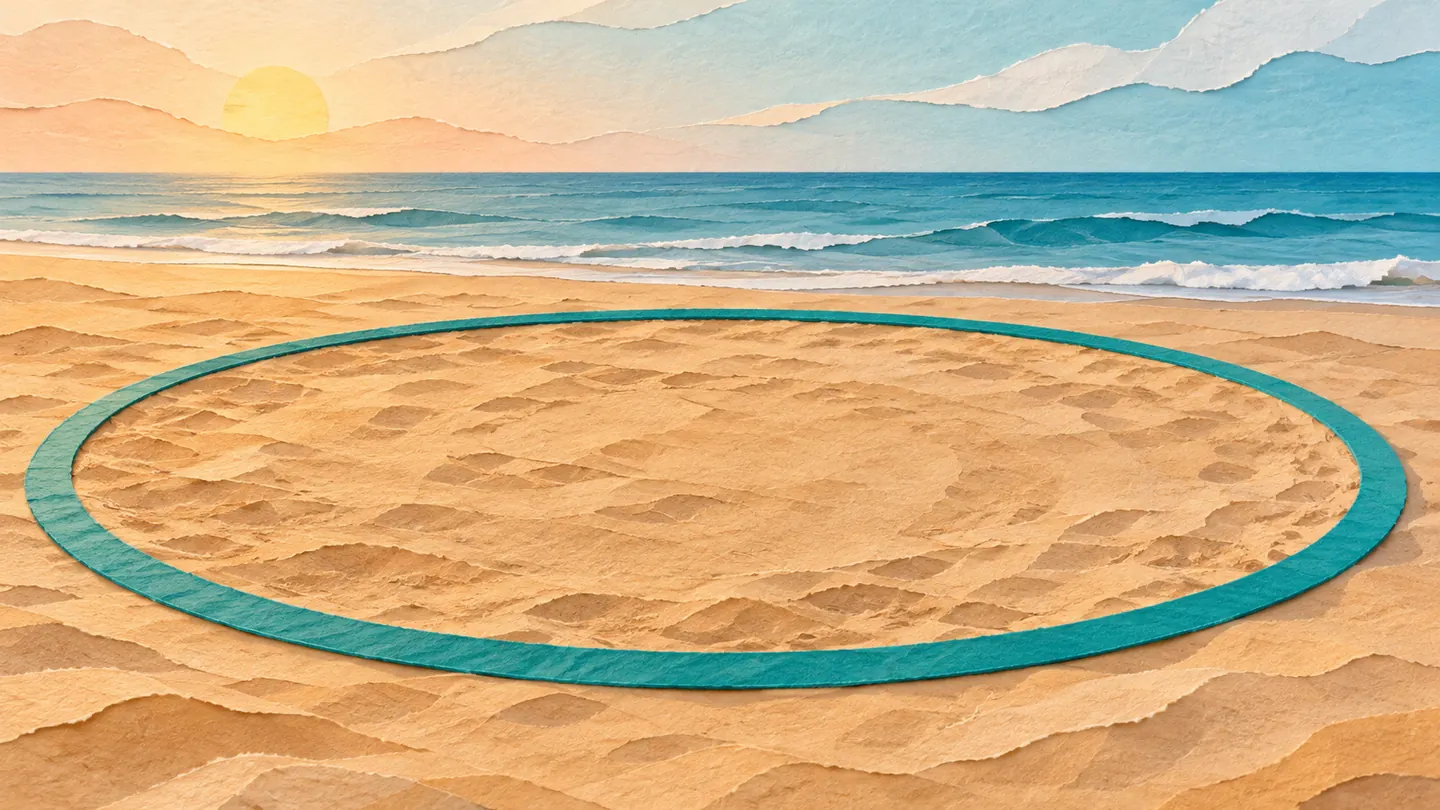
*Illustration — AI-generated conceptual artwork of an empty beach wrestling ring.*
Why this matters
The debut gives young wrestlers an Olympic audience and lets spectators see an international beach format in a country with a prominent wrestling culture. Following the women’s and men’s categories, as well as the host and visiting entrants, will show who had the opportunity to compete and how they performed under the same rules.
Sources
- United World Wrestling — 6 November competition preview and rules
- United World Wrestling — Entry list
- Agence de Presse Sénégalaise — Senegalese participation
- IOC — Competition schedule by venue
Topics: Dakar 2026 · Senegal · Saly · Beach wrestling · Youth Olympics
← All news & insights